Coliving In South America

Coliving in South America isn’t a niche anymore. It’s a well-oiled machine serving remote workers who want community, predictable Wi-Fi, and a great backdrop for life after the laptop shuts. The pull is obvious: lower living costs than North America or Western Europe, vibrant cities, serious nature, and an established ecosystem of spaces that mix private rooms with shared kitchens, coworking, and weekly events.
Affordability
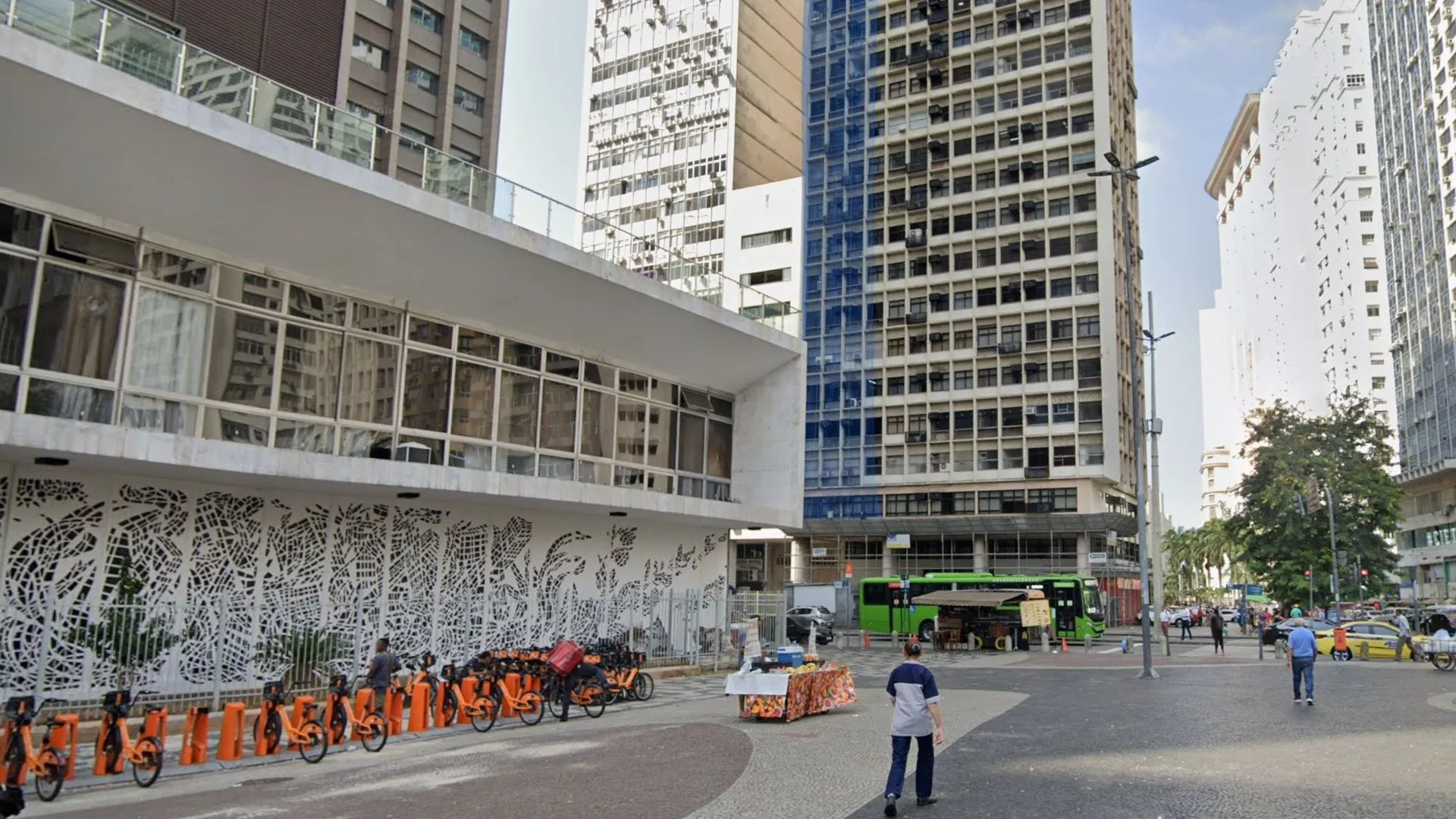
Affordability is a real edge. Typical city-center rents for a one-bedroom in major hubs sit well below Amsterdam, London, or New York. Recent market snapshots put monthly averages around 2.1 million COP in Medellín, 2.1 to 2.6k BRL in Rio, 2.3k PEN in Lima, and 395 to 660 USD in Buenos Aires, with wide ranges by neighborhood and building quality. These are apartment benchmarks, not coliving prices, but they anchor the math for anyone budgeting a longer stay.
Internet & Workability

On the workability front, South America’s internet has matured quickly. Median fixed broadband speeds in 2025 are strong in Brazil and Colombia and competitive in Peru and Argentina. Translation: video calls are fine in cities and most established colivings. You only need to worry in rural eco-retreats or small beach towns.
Top Coliving Spaces in South America

The region’s coliving map spans big brands and indie projects.
- Selina runs a large network with lodging, on-site coworking, private rooms or dorms, community programming, and often a social bar or rooftop. Locations: Buenos Aires Palermo Soho, Medellín Provenza, Rio’s Copacabana or Lapa, Cartagena, Cusco, and more.
- Outsite lists Buenos Aires for quieter, longer-stay homes and private rooms.
- Independent operators fill gaps in places like Peru’s Sacred Valley (Urubamba), Peru’s coast (Starlink community colivings), and Rio (surf and yoga houses).
Country Highlights
Colombia: The Heart of South American Coliving
- Medellín — El Poblado and Laureles: many colivings, coworking, fast broadband, 4G/5G.
- Bogotá — food, culture, corporate energy, airport.
- Santa Marta, Palomino, Tayrona — eco-living, sea & jungle, fiber or Starlink in best houses.
Visas: Colombia’s Type V Digital Nomad visa (up to 2 years, ~4.27M COP/month income).
Argentina: Cultural Hub for Digital Nomads
- Buenos Aires: Palermo Soho & Hollywood — colivings, cowork cafés, buzzy late-night schedule; mix of chain and home-style houses.
Digital nomad transient residence: 180 days + one extension, targeted at foreign nationals with income abroad.
Rents fluctuate but remain globally competitive; many colivings price below European capitals.
Brazil: Vibrant Cities and Natural Beauty
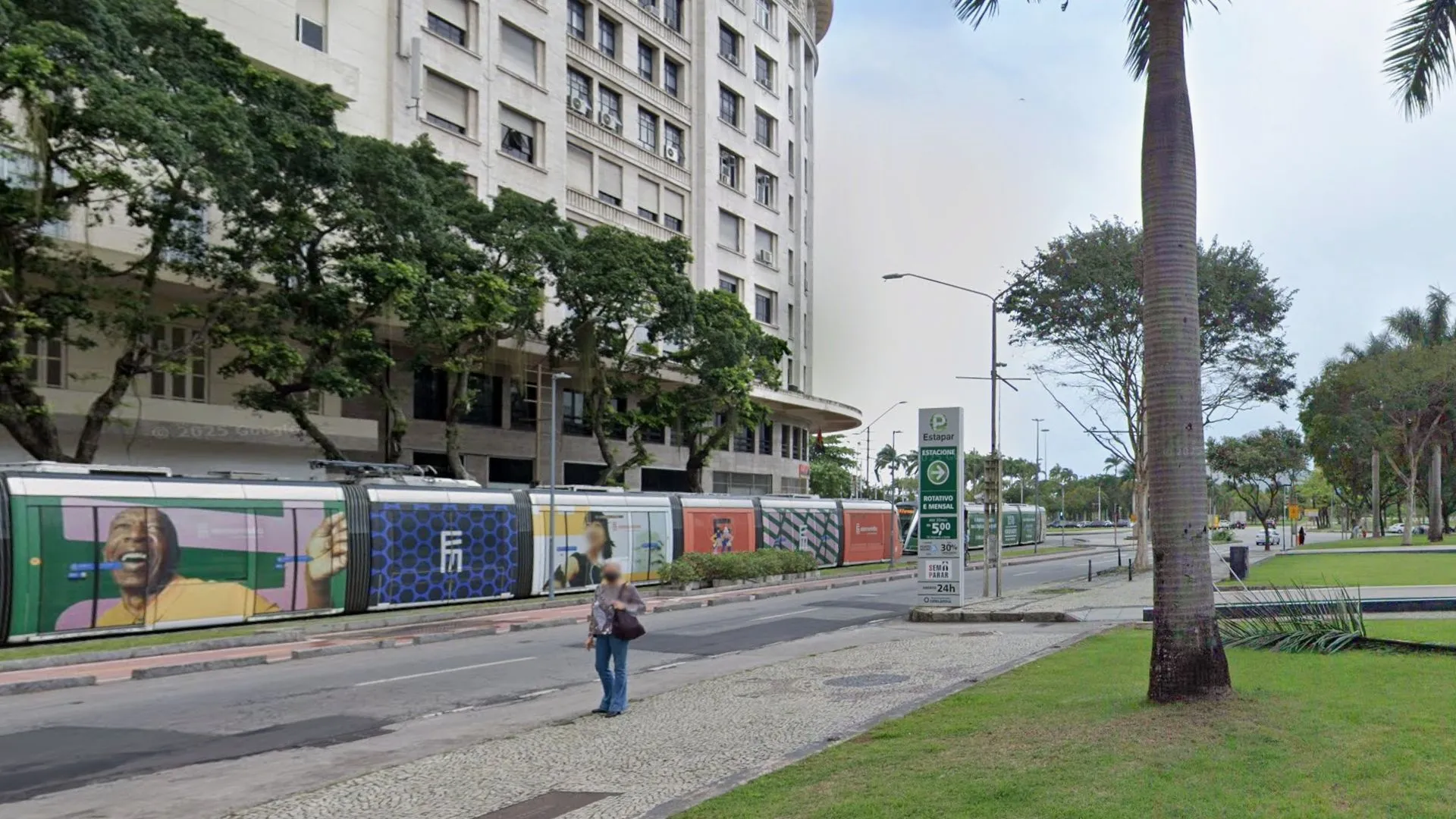
- Rio de Janeiro: urban energy plus beach downtime; cowork rooms, bars, bedrooms, rooftops.
- São Paulo: food, culture, business networking.
- Salvador: history, music, Afro-Brazilian culture, growing scene.
Digital Nomad Visa: 1,500 USD/month income or 18,000 USD savings, with health insurance (usually 1 year, renewable).
Peru: Historic and Natural Attractions
- Cusco & Sacred Valley: adventure, mountain views, cowork terraces.
- Lima (Miraflores & Barranco): coastal city, reliable infrastructure.
- North Coast (Lobitos): surf towns, Starlink for stable internet.
Peru's digital nomad visa is in gradual rollout; check official resources before long stays.
Features and Amenities

- Dedicated cowork areas with ergonomic seating, meeting rooms
- Reliable Wi-Fi/network (with city-based membership options)
- Communal kitchens, laundry, weekly dinners, yoga, rooftop hangouts
- Terraces, gardens, quiet zones in nature-oriented spaces
- Surf houses: board storage and outdoor showers
How to Choose the Right Coliving Space
- Location: Prioritize neighborhoods with strong fiber or broadband; confirm property setup and network reliability.
- Community: Read reviews, check for noise/event frequency, average age, social programming.
- Budget: Colivings cost more than unfurnished leases but include flexibility, utilities, cleaning, events.
- Approach: Start with coliving for 1-2 months, then switch to a standard rental for extended stays.
Benefits
- Cost efficiency, included events and social support
- Sensible travel costs within region
- Visa options in several countries
- Cheap mobile data
- Less time solving life logistics, more time for work/exploring
Challenges and Tips
- Connectivity outside metro areas can be unstable — always verify ISP, speed, backup lines.
- Book cities for call days if you meet clients.
- Neighborhood safety varies — lean on host advice, use rideshares late.
- Visas: always check current government and consular guidance.
FAQs
What is coliving and how does it differ from traditional living?
Coliving is a furnished private room plus shared common spaces, usually bundled with coworking, cleaning, utilities, and community events. You pay a monthly rate and avoid long leases. It trades some control for convenience and community.
Why is South America becoming popular for coliving?
Lower baseline rents, strong fixed broadband in major cities, and a matured network of spaces make the region easy for remote workers who want both affordability and lifestyle.
Which countries in South America are best for coliving?
Colombia for depth and variety of spaces, Argentina for culture and nightlife in Buenos Aires, Brazil for beaches plus big-city infrastructure, and Peru for Andes living and a growing coastal scene. You can build a full year rotating those four without scraping the barrel.
What types of coliving spaces are available in South America?
Everything from modern apartment houses with quiet hours to hostel-hybrids with bars and rooftops, plus eco-villages near jungle or beach. Peru’s Sacred Valley and Colombia’s Tayrona corridor add nature-heavy options that still offer a proper desk.
How do I choose the right coliving space for my needs?
Match neighborhood to work hours, verify the internet setup, read recent reviews for noise and crowd fit, and pressure-test the house rules. For deep work, look for a door separating the bar from the cowork and book a room away from common areas.
Is the internet reliable enough in these coliving spaces for remote work?
In cities, yes, when you pick known operators. Country medians show robust fixed speeds in Brazil and Colombia and respectable numbers in Argentina and Peru. Mobile in rural areas lags, so beach and jungle houses need backups. Ask for screenshots and ISP names.
Are coliving spaces suitable for solo travelers?
They’re designed for it. The programming helps you skip the awkward first week. If you’re introverted, choose homes with smaller headcounts and fewer in-house events.
Can I run my online business from a coliving space in South America?
Yes, with caveats. Check that your visa status permits remote work for foreign clients and that the space has meeting rooms for calls. Colombia’s digital nomad visa targets remote workers employed abroad, Argentina’s transient residence is aimed at digital nomads earning from outside the country, and Brazil’s visa is purpose-built for remote work from Brazil.
What amenities are typically included in South American coliving spaces?
Private rooms, shared kitchens, laundry, coworking, community events, yoga or wellness sessions, and sometimes pools or rooftops. Chains standardize this. Indie homes vary more, so read the listing.
How safe are the coliving spaces and neighborhoods in South America?
Safety depends on the micro-location and your habits. Reputable spaces pick well-trafficked neighborhoods and maintain 24-7 reception or security. Ask the host for the building’s access controls, late-night transport advice, and whether they have a staff member on duty after hours.
What is the average cost range for coliving in South America?
Expect a premium over a comparable private apartment because you’re buying flexibility, furniture, and services. Use city rent medians to gauge whether a quoted monthly rate is sensible for that neighborhood and season.
Can I stay in a coliving space long-term or is it mostly for short stays?
Both. Chains offer monthly memberships and discounts for longer blocks. Indie houses often prefer one to three months to keep a stable community.
Are there communities or events that help colivers connect?
Yes. Standard programming includes weekly dinners, skill shares, yoga, surf meetups, and local tours. Large operators run dedicated cowork memberships that mix guests with local remote workers.
What are the visa requirements for digital nomads wanting to colive in South America?
Colombia’s digital nomad visa runs up to two years with an income threshold tied to the minimum wage. Argentina’s digital nomad residence grants 180 days with one 180-day extension for visa-exempt nationals. Brazil’s program expects 1,500 USD monthly foreign income or 18,000 USD in savings. Peru approved a digital-nomad pathway by decree. Always confirm current consular guidance before planning long stays.
What cultural experiences can I expect while coliving in South America?
Tango nights and late dinners in Buenos Aires. Coffee tastings and weekend hikes in Medellín. Beach runs and samba in Rio. Markets, ruins, and high-altitude treks in Cusco. Add Spanish or Portuguese lessons if you’re staying longer than a month. You’ll get more from the place, and it pays off daily at cafés, taxis, and meetups.
Bottom line
If you want a clean landing, a working desk that behaves, and people to explore with after work, South America’s coliving scene delivers. Do a little diligence on internet specifics and neighborhood fit, and you’ll spend most of your energy on the reasons you came.