Coliving Argentina
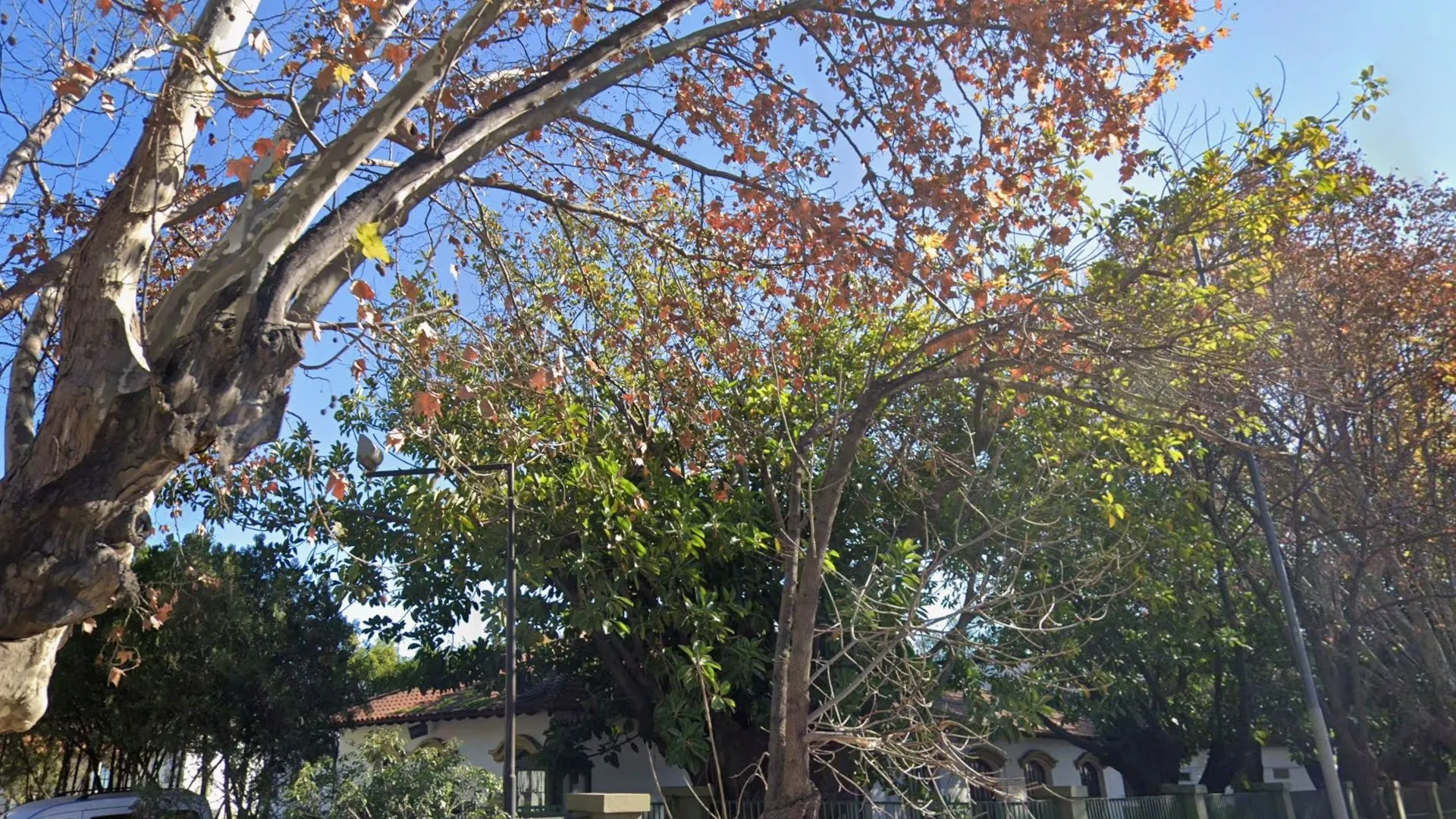
Top Coliving Spaces in Argentina
Argentina’s coliving scene has matured into a credible option for remote workers who want real community without sacrificing work infrastructure. You will find surf-oriented houses on the Atlantic, nature hubs in Patagonia, and urban residences in Buenos Aires that look and operate like boutique hotels with workstations. Outsite’s Buenos Aires listing targets remote workers with a member community and work-ready homes. Nomadago curates multiple coliving options around the country, useful when you want a quick scan of neighborhoods and amenities. Surf-centric houses in Chapadmalal and Miramar attract nomads who prefer a morning session before stand-up and a bonfire after sprint review. In Patagonia, Bariloche programs run seasonally and focus on hiking, lake life, and deep work.
Coworking and Coliving by the Surf in Chapadmalal
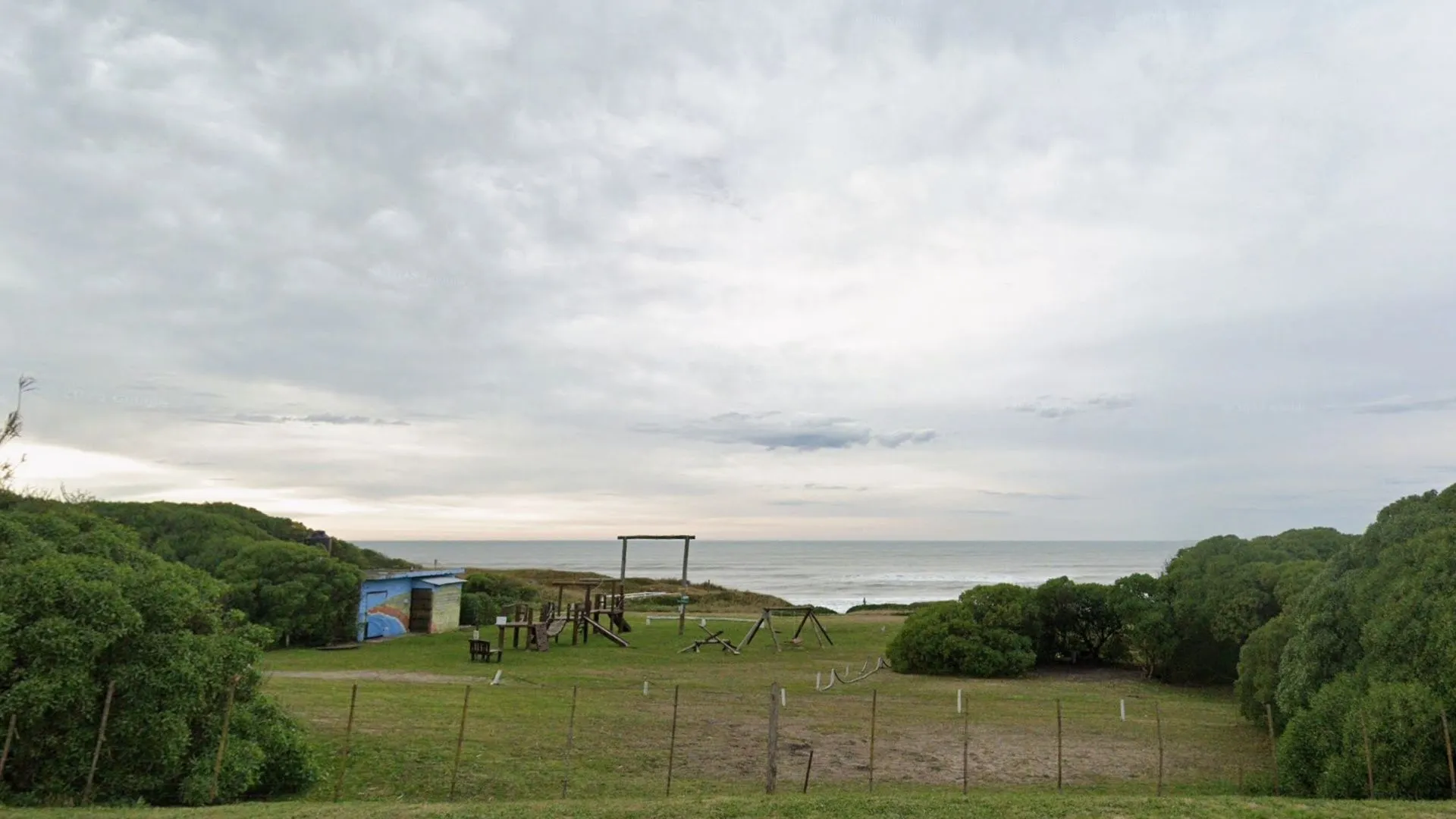
Chapadmalal sits just south of Mar del Plata, close enough for logistics and far enough for quiet. The better houses face cliffside beaches like Luna Roja. Expect a surfer’s schedule: first light paddles, daytime async blocks, late-day walks along the cliffs. The setups are simple and intentional: fast home Wi-Fi, sheltered garden tables for calls, a big communal kitchen, racks for boards, and the ritual of a mate circle after work. It is not luxury. It is clean, social, and tuned for people who would rather earn their sunset.
Colive Bariloche, Argentina
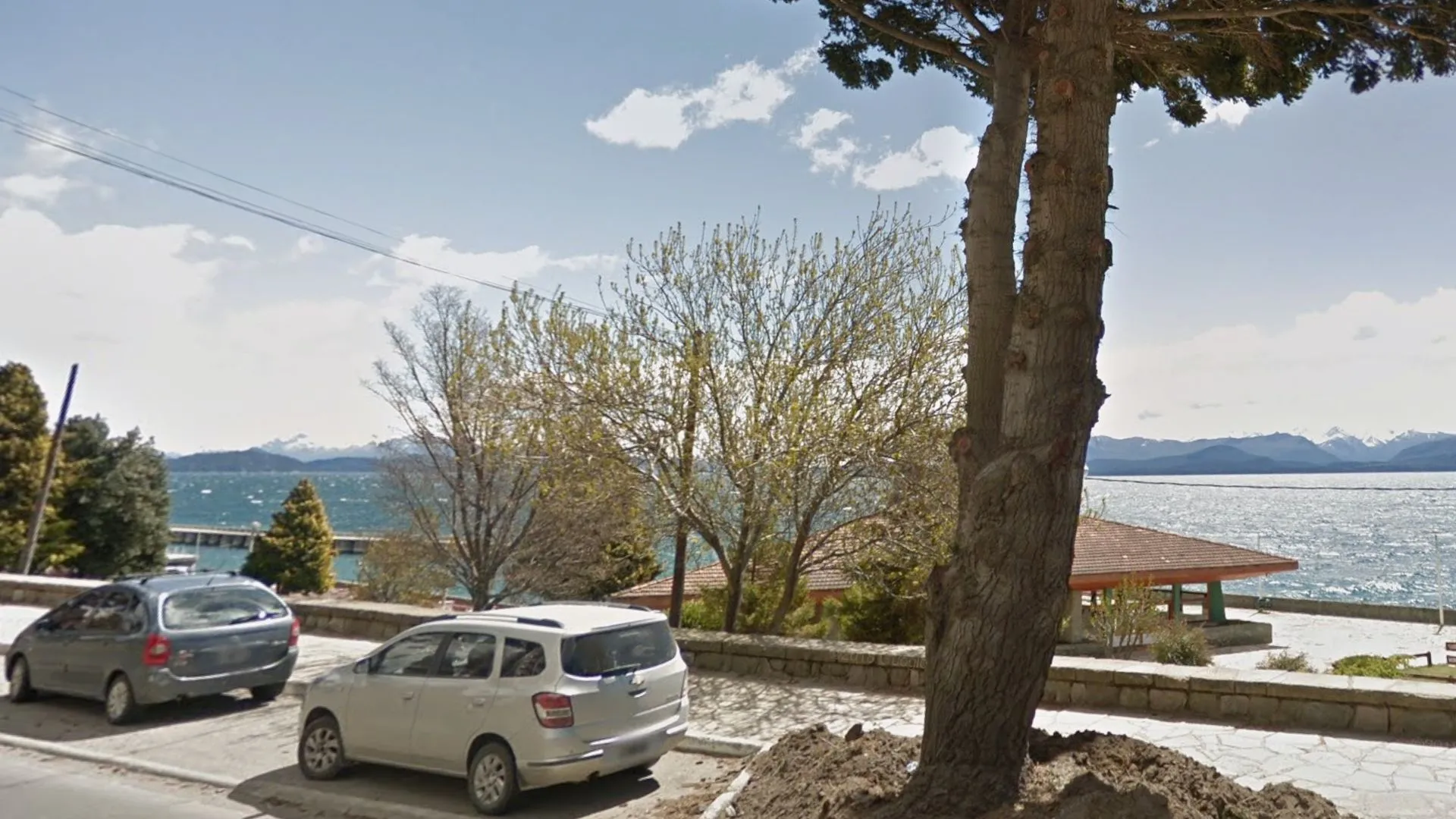
Bariloche is where focus and nature play nice together. Programs here are usually cohort-based, with fixed start dates and an emphasis on group rhythm: cowork during the week, explore on weekends. You will work with a view of Nahuel Huapi, spend your breaks walking forested trails, and argue about the best refugio cake. The stronger setups keep a comfortable house, dependable internet, a calendar that doesn’t try to schedule every minute, and a group that treats deep work as seriously as the next hike.
Top Coliving Spaces in Buenos Aires
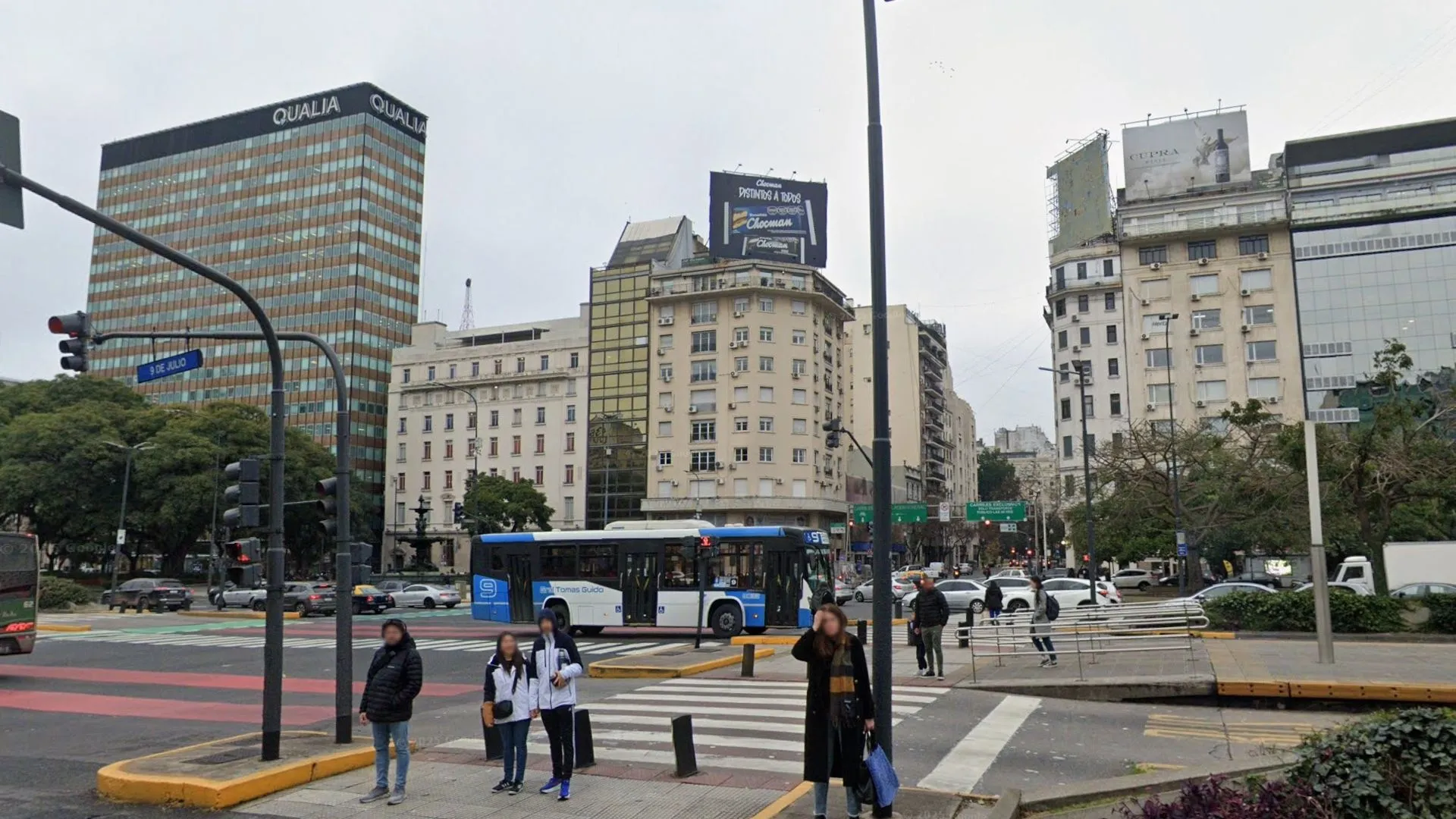
Buenos Aires is the country’s default hub for most nomads. The pull is obvious: direct flights, diverse neighborhoods, late-night food, and a huge coworking supply. Outsite maintains a formal BA presence designed for members who bounce between cities on a global pass. Discovery platforms like Nomadago list options across Palermo, Recoleta, and Microcentro, which helps with quick filtering by price and policy. If you prize community programming, short-form residencies and event-heavy houses are common in Palermo Soho and Hollywood. If you care about quiet, look at Palermo Chico, Colegiales, or northern Recoleta.
Outsite Coliving Buenos Aires
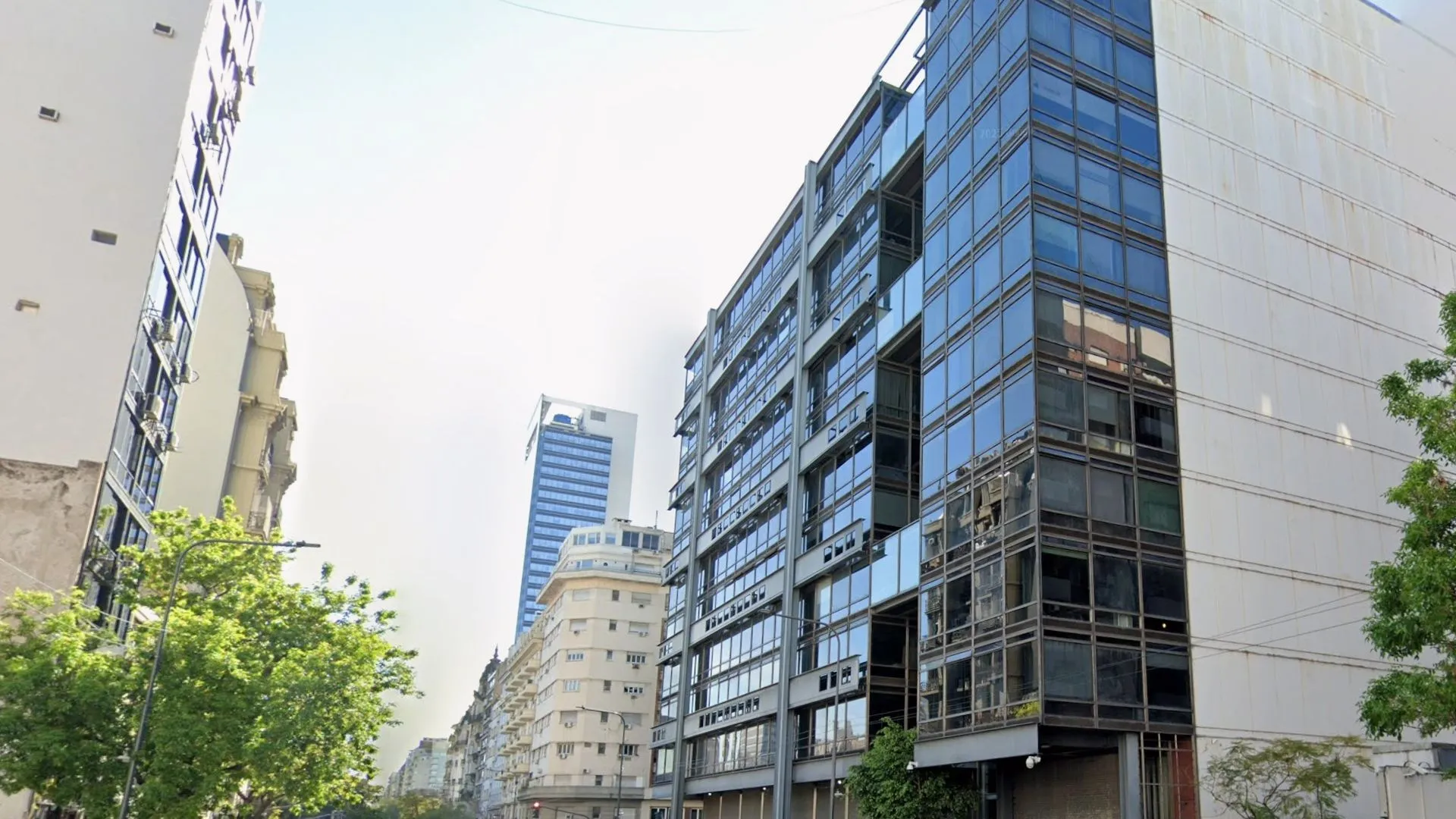
Outsite’s BA homes follow their global playbook: private bedrooms, shared common areas, workstations, and a structured member community that travels between locations. The draw is predictability. If you liked their setup in Lisbon or CDMX, you will understand this one in a day. Their membership basics carry over to Argentina, which lowers the friction for moving between cities.
Nomadago Coliving in Argentina
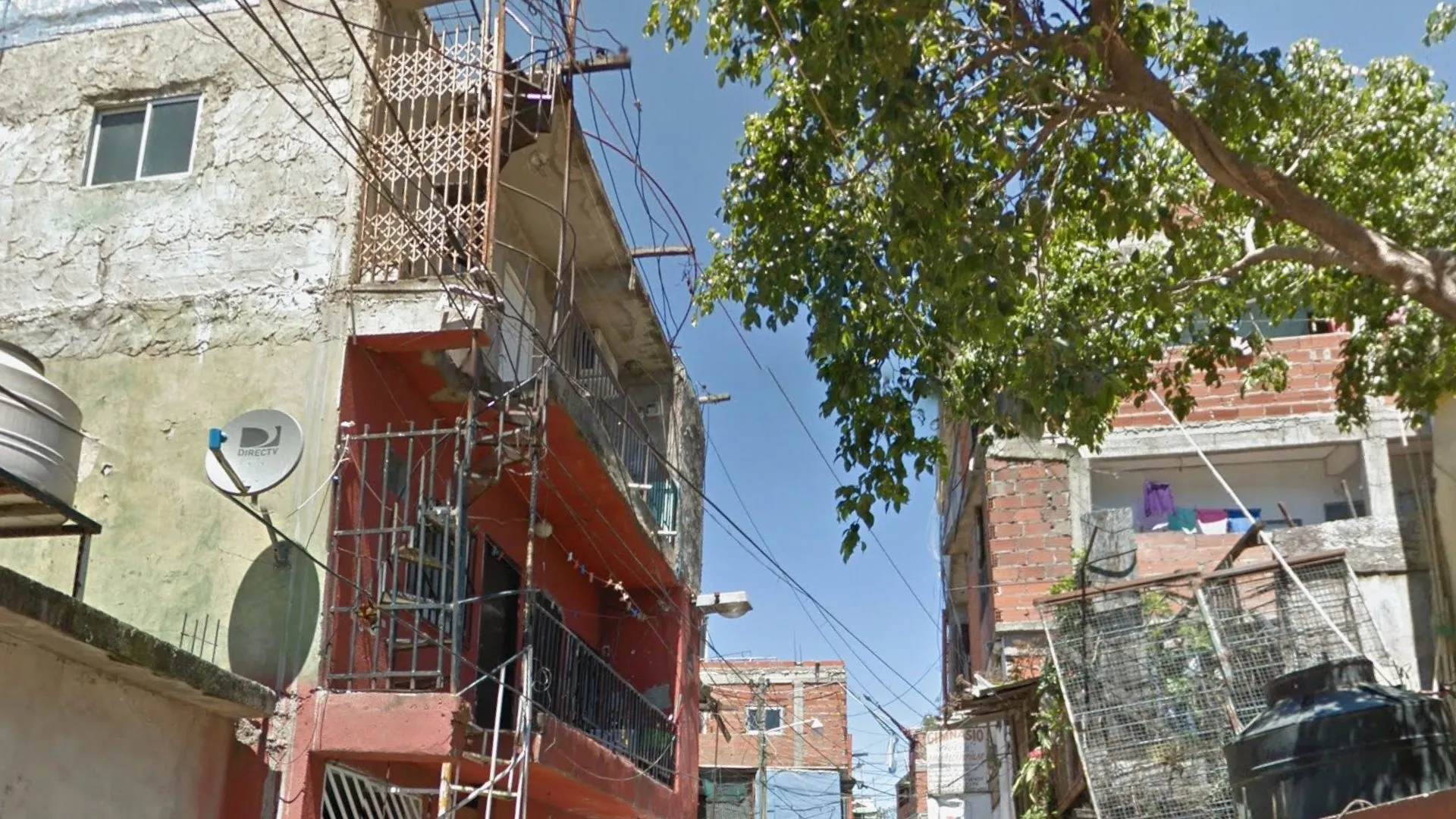
Nomadago functions as a discovery layer rather than a single house. It aggregates coliving options in Argentina and breaks them down by city, including Bariloche and Buenos Aires. Use it when you want a shortlist fast, plus a sense of which houses lean social, which skew quiet, and which are near specific transit lines or parks.
Coworking Coliving in Miramar, Argentina
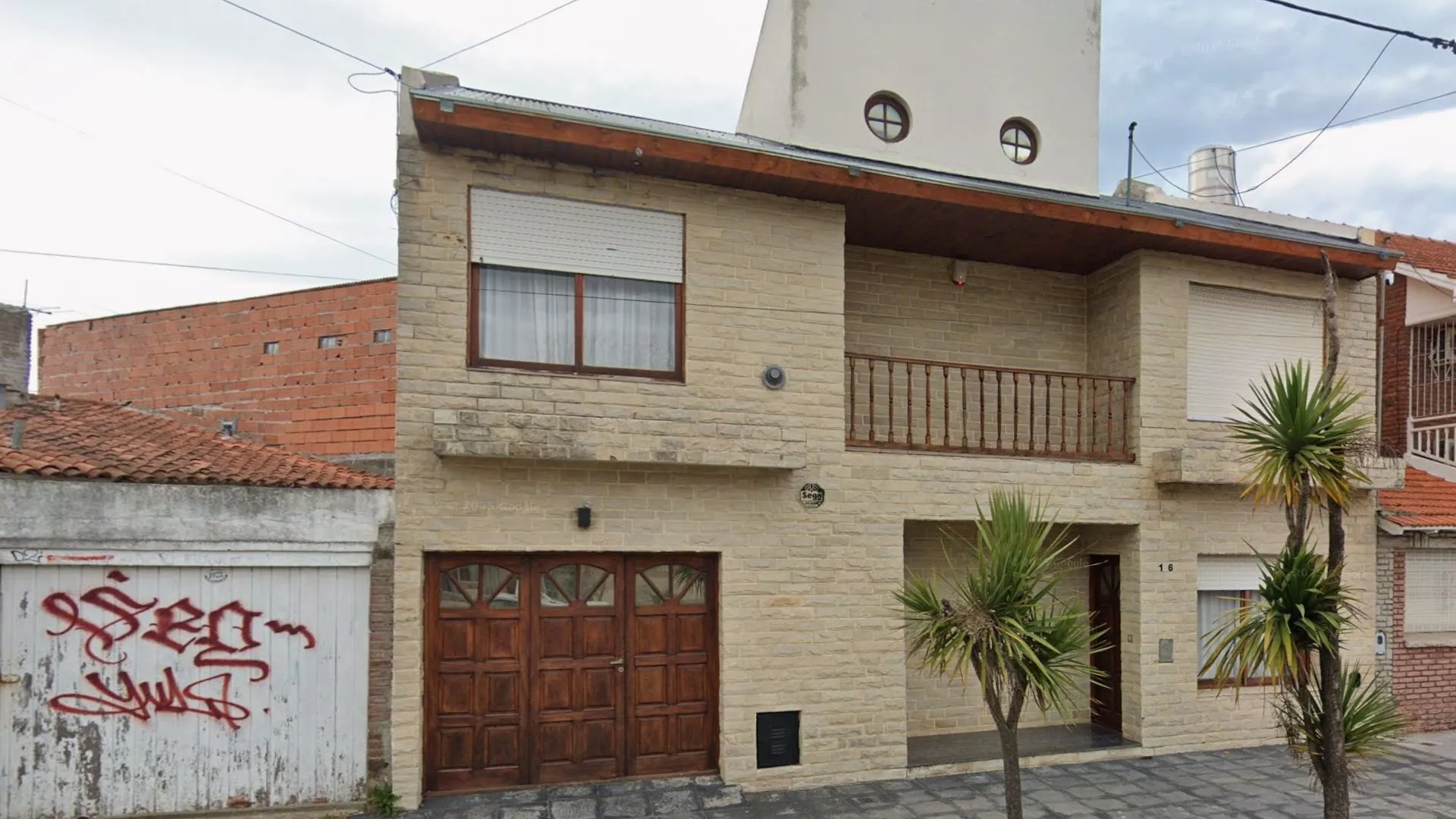
Miramar is a smaller, calmer alternative to Mar del Plata. The surf is kinder to intermediates, the town is compact, and the houses tilt outdoorsy. Listings here show the usual mix of community-first amenities, decent home Wi-Fi, and a schedule built around the waves. If your workday needs strict silence, keep an eye on room layouts. You want a door you can close and a backup spot for calls when the living room fills.
Why Choose Coliving in Argentina?
International and Vibrant Community
Argentina pulls a mixed crowd: Europeans chasing a southern-hemisphere summer, North Americans looking for a cost-effective big city, and Latin Americans who want Spanish-speaking metros with creative scenes. You get tango dancers and TypeScript engineers at the same table. The weekend plans look like empanadas, a gallery opening, and a Boca match on TV. That blend is hard to fake, and it is a big reason BA and Bariloche keep returning to digital nomad shortlists.
Modern Amenities and Comfortable Living
Internet is no longer the weak point. Fixed broadband medians are competitive by global nomad standards, and mobile backups are perfectly workable for calls. Bring a local SIM, treat fiber as primary, and tether if the building router hiccups. The practical pattern: fiber in the house, 4G/5G hotspot in your pocket, and a nearby coworking pass as the safety net.
Community Activities and Networking
Coliving works when the calendar is light but consistent. Think midweek potlucks, a Saturday hike or surf lesson, and one professional event per week like a lightning talk or skill swap. Buenos Aires houses add milonga nights or Spanish practice. Patagonia programs lean into trails and lake days. The better houses publish their cadence up front so you can decide if it fits your bandwidth.
Specific Coliving Locations and Communities
Coliving in Historic Recoleta
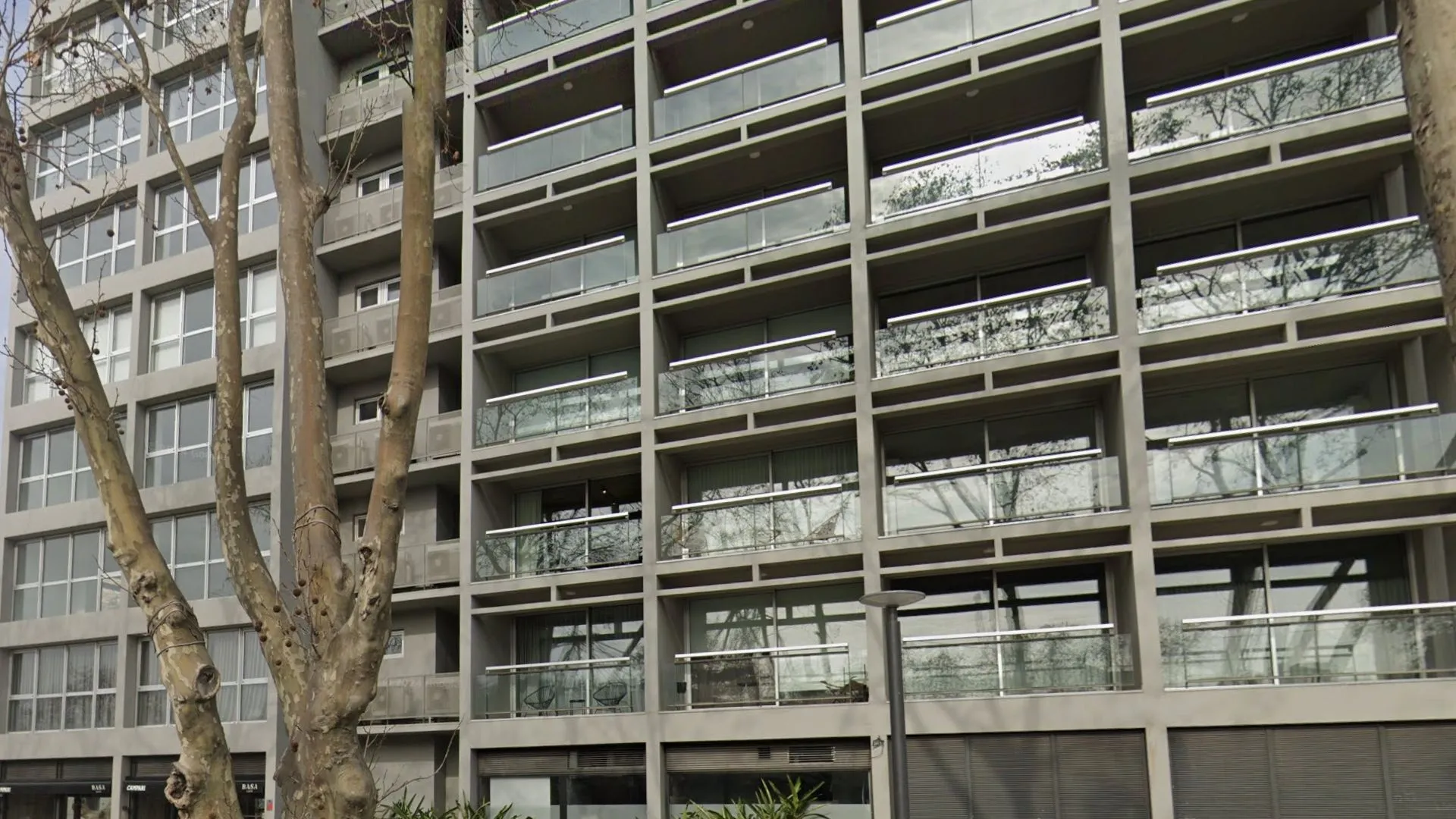
Recoleta gives you beaux-arts buildings, quiet streets, and fast access to parks and museums. Houses here feel refined, sometimes with high ceilings and balconies. Nightlife exists but does not pound through your window. It suits people who want beauty and order, plus an easy walk to Palermo’s restaurants.
Coliving in Cordoba’s Centro
Cordoba is Argentina’s second city and a genuine college town. Centro puts you near universities, bus lines, and a big coworking footprint. Expect lower prices than BA, louder streets, and a younger crowd. The tradeoff is obvious: less international infrastructure, more Spanish immersion and local energy. Good for early-stage teams and solo builders who want affordability with real city scale.
Coliving in San Miguel’s Barrio Centro
San Miguel de Tucumán’s Barrio Centro is compact and practical. You are near historic plazas, markets, and buses. Coliving here is about immersion: slower mornings, warm evenings, and neighbors who quickly learn your name. If you need big-city conveniences or nightly events, you will feel constrained. If you want a reset and strong Spanish practice, it is a smart pick.
Features of Coliving Accommodation
Room Types and Accommodation Details
Most Argentine coliving houses offer private rooms with a shared bath, plus a smaller tier of ensuites at a premium. Shared rooms exist, usually in surf towns or student-heavy properties, but professionals tend to pick private. Windows matter more than you think. BA summers run hot, so confirm AC or at least a ceiling fan. In Patagonia, check for real heating, not just a desk space heater.
Facilities and Amenities
Workspace and Wifi
Look for two distinct work zones: a quiet indoor table with ergonomic chairs and a separate social table for casual coworking. Ask for a current speed test from the router location and from your intended room. Fixed broadband medians are strong nationally, but building-level performance varies with wiring and provider. Keep a contingency plan: a local coworking membership or a nearby café with reliable power.
Kitchen and Dining
The kitchen is the social engine. You want multiple burners, sharp knives, and storage labeled by room. Buenos Aires houses often add outdoor parrillas. Surf houses lean toward big communal fridges and open shelves. If you cook daily, confirm there is enough counter space at peak hours. If you do calls late, make sure the kitchen is not your only work surface.
Recreation and Social Areas
In BA, terraces and courtyards get heavy use. In Chapadmalal and Miramar, gardens stretch toward the sea with racks for boards, hammocks, and a fire pit. In Bariloche, living rooms come with picture windows facing the lake, which is dangerous for productivity and great for morale. The goal is not endless events. It is a few high-quality spaces where people naturally collide.
How to Join
The playbook is simple. Shortlist three properties, then verify the basics: minimum stay, deposit, cancellation, guest policy, quiet hours, and internet proof. Read recent reviews and ask for a video walk-through. For cohort programs, check the participant profile and the schedule rhythm. If the house accepts rolling arrivals, ask about occupancy patterns so you are not walking into an empty week.
How to Get There
Fly into Ezeiza for Buenos Aires or into Bariloche’s BRC for Patagonia. Long-distance buses cover almost everywhere and are comfortable enough to work on with a keyboard on your lap. For surf towns, you can bus to Mar del Plata and rideshare south to Chapadmalal or Miramar. Plan your SIM at the airport kiosk and buy a rechargeable transit card on day one.
Lifestyle and Adventures While Coliving
Explore Buenos Aires
Start with Palermo’s parks and cafes around midday when the city wakes up. Walk Recoleta Cemetery even if you think cemeteries are not your thing. Take a beginners milonga class, then watch the pros late at night. Sundays mean San Telmo market and choripán. On workdays, you will slot into a pattern of late dinners and later bedtimes. It sneaks up on you, so keep your morning meetings after 10.
Favorite Adventures in Bariloche
Ride the chair at Cerro Campanario for the fastest view-to-effort ratio in the region. Spend one full day on the Circuito Chico and the next on a refugio hike like Frey. Kayak when the wind calms. The water is clear enough to ruin you for city life. In winter, split weekends between Catedral ski days and fireplace evenings with a board game that never ends on time.
Local Culture and Experiences
Do a proper asado with neighbors. Learn mate etiquette quickly. Watch a Superclásico in a packed bar. Buy medialunas at 7 and eat them at 11. The rhythm is later, louder, and somehow softer at the same time. If you are new to Spanish, take classes early. Your experience compounds fast once you can banter with the bakery.
FAQs on Coliving in Argentina
What is a coliving and how does it work in Buenos Aires?
It is a shared-living model for professionals. You rent a private room, share kitchens and lounges, and work from designated spaces. Buenos Aires houses layer in events and coworking memberships so you can land and get productive immediately.
Which are the best neighborhoods for coliving in Buenos Aires?
Palermo for density and convenience, Recoleta for quiet beauty, Colegiales for residential calm, and Microcentro if you want short walks to downtown offices. Match your choice to noise tolerance and nightlife interest.
Do coliving spaces include meals like breakfast or lunch?
Usually no. Some houses offer weekly dinners or a welcome meal. Surf houses sometimes include basic breakfasts for early paddles.
Are coliving spaces safe and secure?
Typical setups include coded entry, individual room locks, and neighborhood-appropriate guidance. Buenos Aires feels safe in the main nomad zones, with standard big-city precautions.
Can I stay for a short period or is it only for long-term rentals?
You can do both. Urban colivings allow week-to-week or month-to-month. Cohort programs like Bariloche run on fixed dates.
Is there a minimum stay requirement?
Common minimums are 2 to 4 weeks in cohort programs and 1 week in flexible houses. Peak seasons tighten policies.
What services and amenities are included in the rent?
Utilities, Wi-Fi, cleaning, and furnished spaces are standard. Some add coworking passes or community events. Verify laundry and AC.
Are rooms private or shared?
Mostly private rooms with either shared or private bathrooms. Shared rooms exist in budget or surf-focused houses.
Do I need to pay a deposit?
Usually yes. Expect one month or a fixed security amount, refundable barring damage. Always read the cancellation clause.
Is there a rental contract?
Yes, even short stays have a basic agreement. In formal networks, membership terms often govern house rules.
What is the cancellation policy?
Ranges from flexible to strict. Cohort programs tend to be stricter due to fixed headcounts. Ask for the policy in writing before paying.
Can I bring pets?
Rare, but possible. Many urban houses disallow pets due to shared spaces. Surf houses are the most likely to say yes with conditions.
How reliable is the internet connection?
National fixed broadband performance is strong, and mobile backups cover outages. Ask for a fresh speed test and provider details for the address.
Are there community events or networking opportunities?
Yes. Expect weekly group dinners, skill swaps, and city-specific outings. Member networks and curated platforms make this a selling point.
Is coliving affordable compared to traditional accommodation?
Often yes for one to three months when you factor in furniture, utilities, Wi-Fi, cleaning, and community. Argentina’s macro picture can shift, so lock rates before arrival and confirm currency terms. Price levels may be reviewed quarterly by good houses to match realities.
Practical note on visa status
Argentina’s digital nomad visa generally offers 180 days with a possible extension to 12 months. If you plan to stay beyond tourist allowances or want formal residence for the year, check the latest government guidance or a consular page and apply early. Rules and processing paths evolve, and electronic entry options change with policy updates.